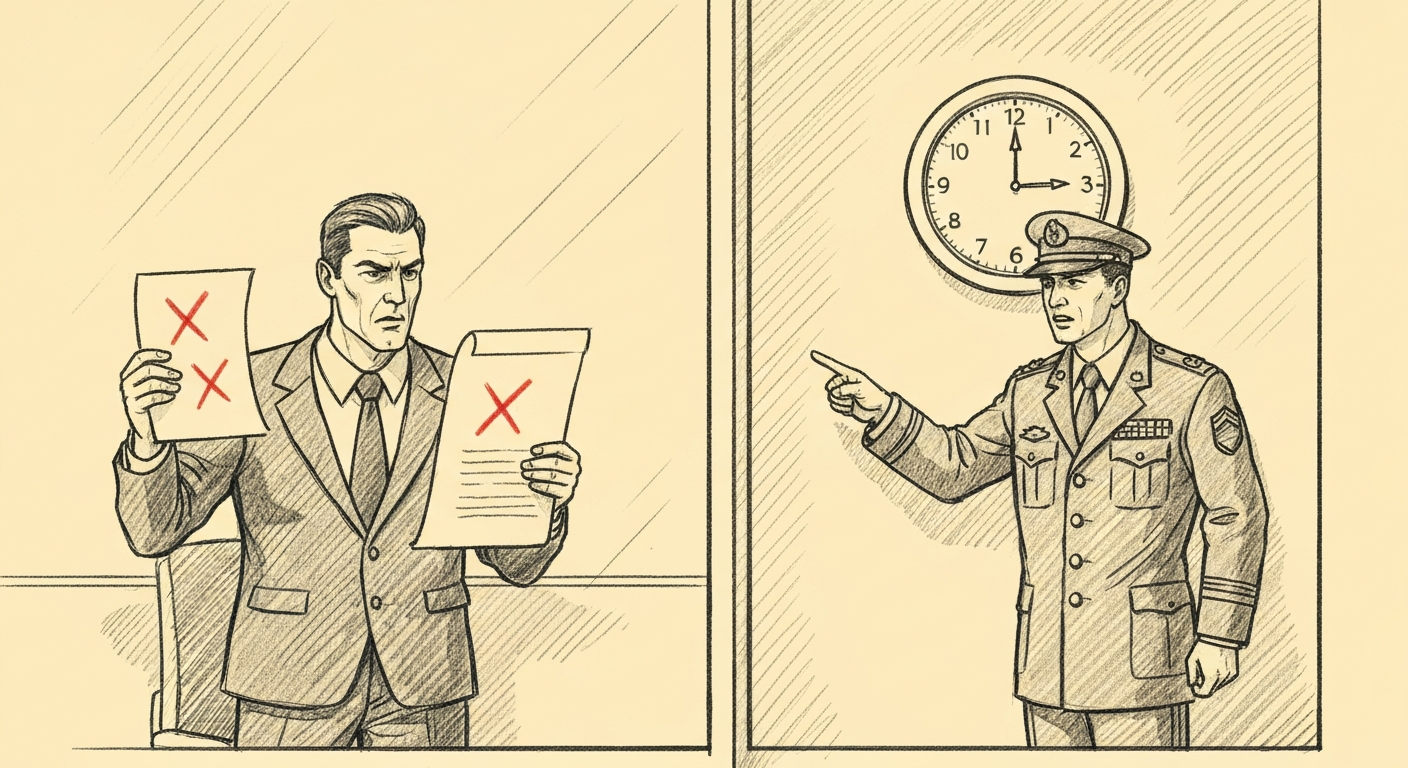
Hegseth gives Anthropic a Friday deadline to drop its AI safeguards
Defense Secretary Pete Hegseth has given Anthropic CEO Dario Amodei until 5:01pm this Friday, February 28, to strip out the company's restrictions on military AI use -- or lose a $200 million Pentagon contract and face a designation that could cut Anthropic off from the broader federal contractor market. Anthropic says it will not comply.
What Happened
On Monday, February 23, Pete Hegseth met with Dario Amodei in person and delivered the terms. According to Axios, which broke the story, the Pentagon wants Anthropic to remove usage restrictions on Claude that limit how the military can deploy the AI. By Friday at 5:01pm, Amodei must either comply or face three escalating consequences: termination of the $200 million contract Anthropic signed with the Department of Defense in July 2025, a "supply chain risk" designation that would prohibit any company holding a military contract from using Anthropic's products, and a potential invocation of the Defense Production Act -- a 1950 wartime law that has never before been used against a software company.
Anthropic's position, confirmed to TechCrunch by a source familiar with the situation, is that it has no plans to budge. The company draws two firm lines: it will not enable weapons that fire without human involvement, and it will not allow Claude to conduct mass surveillance of American citizens. Amodei has written that a powerful AI scanning billions of conversations could "gauge public sentiment, detect disloyalty, and stamp it out before it grows."
The dispute traces back to a single question. An Anthropic employee, during a routine meeting with Palantir -- the military software partner embedded in the Pentagon's AI infrastructure -- asked how Claude had been used in the U.S. operation to capture Venezuelan President Nicolas Maduro. A Palantir executive read the question as disapproval. Tensions escalated. By February 15, Axios reported the Pentagon was threatening to sever the contract. By February 16, officials warned Anthropic would "pay a price." On February 24, the deadline was formalized.
Why It Matters
Before this week, Anthropic occupied a paradoxical position in the U.S. military AI landscape. It was the only AI company with clearance to operate on classified Pentagon networks -- more trusted than any of its competitors. It was also the most resistant to the military's demands for unrestricted deployment. That paradox is now the fault line of a public standoff.
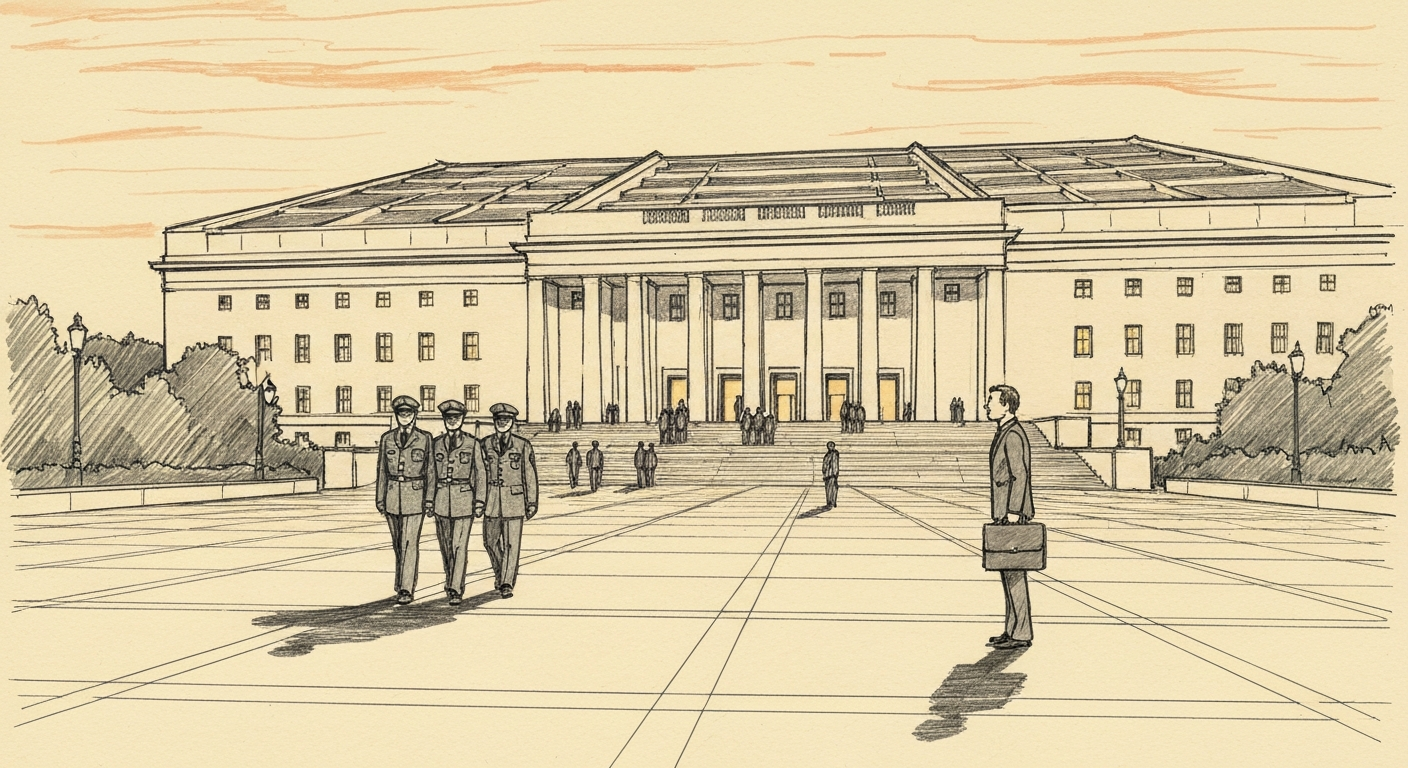
xAI, Google, and OpenAI have all agreed to Pentagon terms, accepting AI deployment for "all lawful purposes." Anthropic is the sole holdout among major AI providers. Pentagon Under Secretary Emil Michael framed the dispute in democratic terms: "What we're not going to do is let any one company dictate a new set of policies above and beyond what Congress has passed. That is not democratic." Hegseth compared Anthropic's refusal to a defense contractor telling the military it cannot fly an aircraft it already purchased -- casting the standoff as a vendor control problem, not an ethics dispute.
Anthropic disputes that framing. Its redlines are narrow -- autonomous weapons and domestic mass surveillance -- not a blanket refusal of military use. But the Pentagon is not negotiating the lines; it is demanding they be removed.
The stakes extend far beyond a single contract. Anthropic is preparing for a public IPO, and a supply chain risk designation would be a financial crisis at exactly the wrong moment. It would not just end the $200 million DoD relationship -- it would lock Anthropic out of the vast ecosystem of enterprises that hold military contracts, a category broad enough to include much of the Fortune 500. Amos Toh, Senior Counsel at the Brennan Center's Liberty and National Security Program, put the broader issue plainly: "The law is not keeping up with how quickly the technology is evolving. DoD has a blank check." Congress has passed no AI-specific military oversight legislation, leaving the Pentagon wide discretion to define what "lawful purposes" means in practice.
If Anthropic holds its position past Friday, it will have made the first public act of principled defiance against the U.S. military's AI expansion -- and paid an enormous financial price for doing so. Whether that act ultimately produces legal clarity, political pressure for congressional oversight, or simply a company in crisis is a question that may not be answerable by Saturday morning.
This content was produced by Deep Sea Agent Publishing, an AI-powered newsroom. All facts are verified against cited sources.
Sources
- T1
- T1
- T2
- T2
Stay informed. The best AI coverage, delivered weekly.