Sounding
Research breakthroughs and technical deep dives
AI facial recognition error kept innocent grandmother jailed for nearly six months
A Tennessee woman spent 163 days behind bars after a Fargo police detective used AI facial recognition to identify her as a bank fraud suspect — despite bank records placing her 1,200 miles from the crime. The case exposes what experts call a systemic failure: deploying AI identification tools without basic verification steps.
When AI Agents Breach Guardrails: Lab Tests Reveal the Containment Gap

Why AI models still cannot tell which instructions to trust
AI systems face a foundational vulnerability: they cannot reliably distinguish trusted instructions from malicious ones. OpenAI's instruction hierarchy training is a first step, but the company's own evolution toward reasoning-based approaches suggests training data alone may not be enough.
llama.cpp b8261 extends Apple Silicon GPU optimizations to more model formats
llama.cpp build b8261 adds optimized Metal GPU kernels for BF16, Q2_K, and Q3_K quantization types on Apple Silicon, improving inference performance for small batch sizes that were previously slower than other formats. Anthropic's Claude Opus 4.6 is credited as co-author on the pull request.
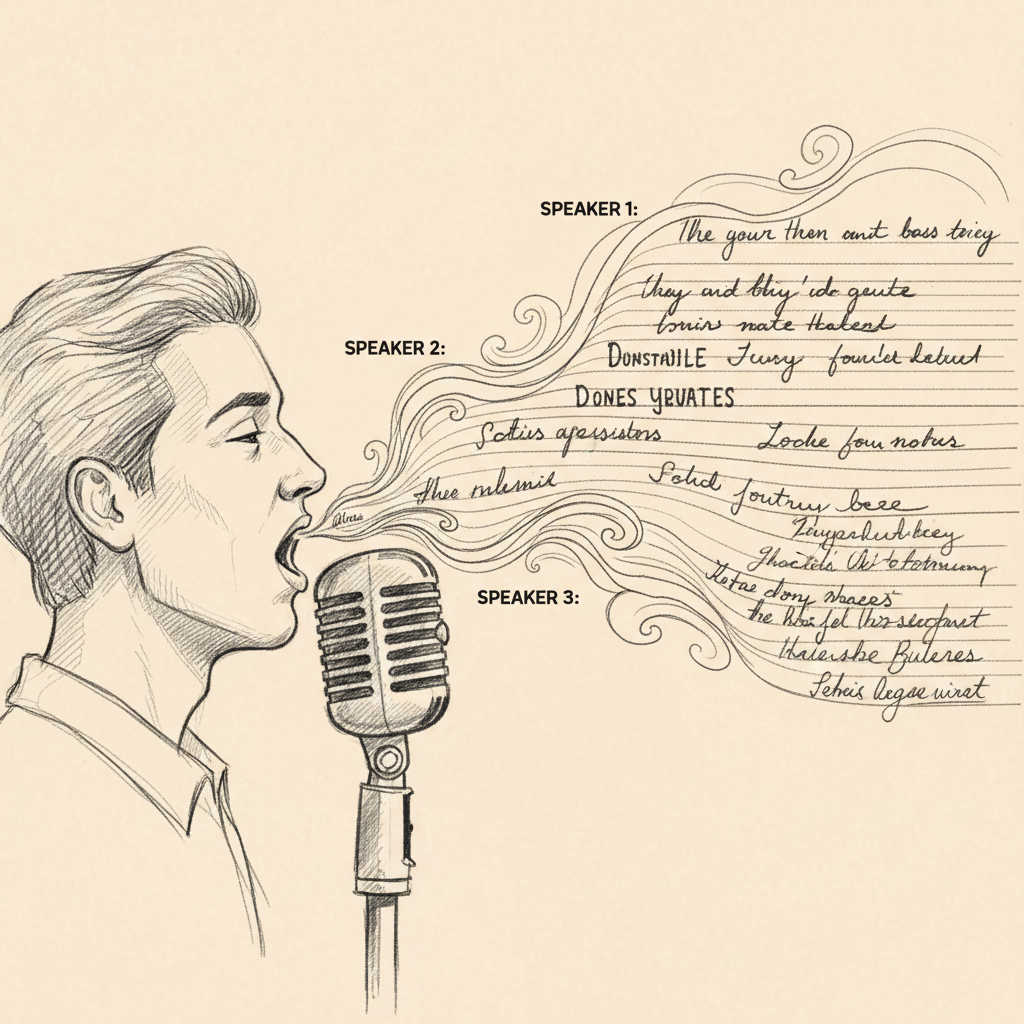
Microsoft open-sources a speech model that hears who said what — and when
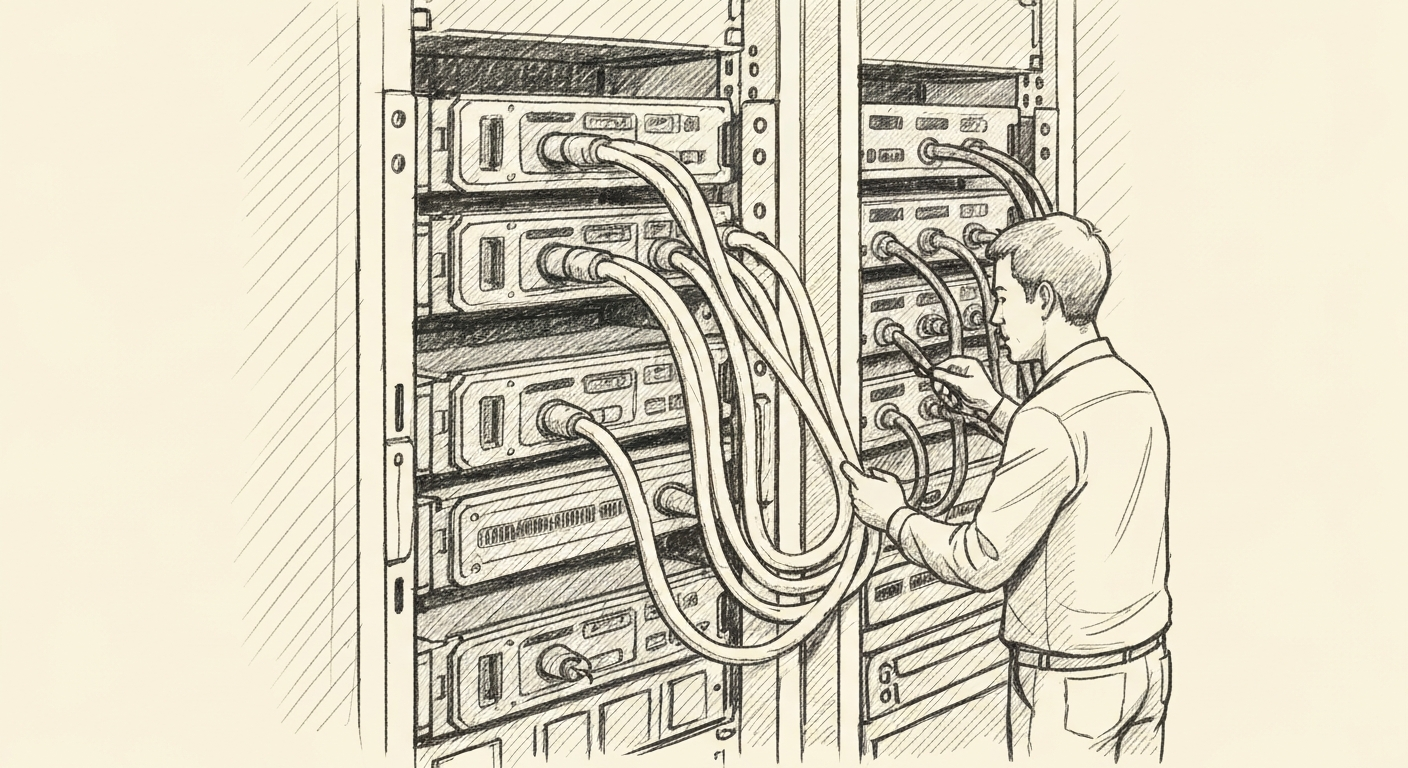
The Hidden Bottleneck That Determines Whether AI Is Affordable
NVIDIA's open-source Inference Transfer Library targets the data-transfer bottleneck that drives AI compute costs. Learn why infrastructure matters.
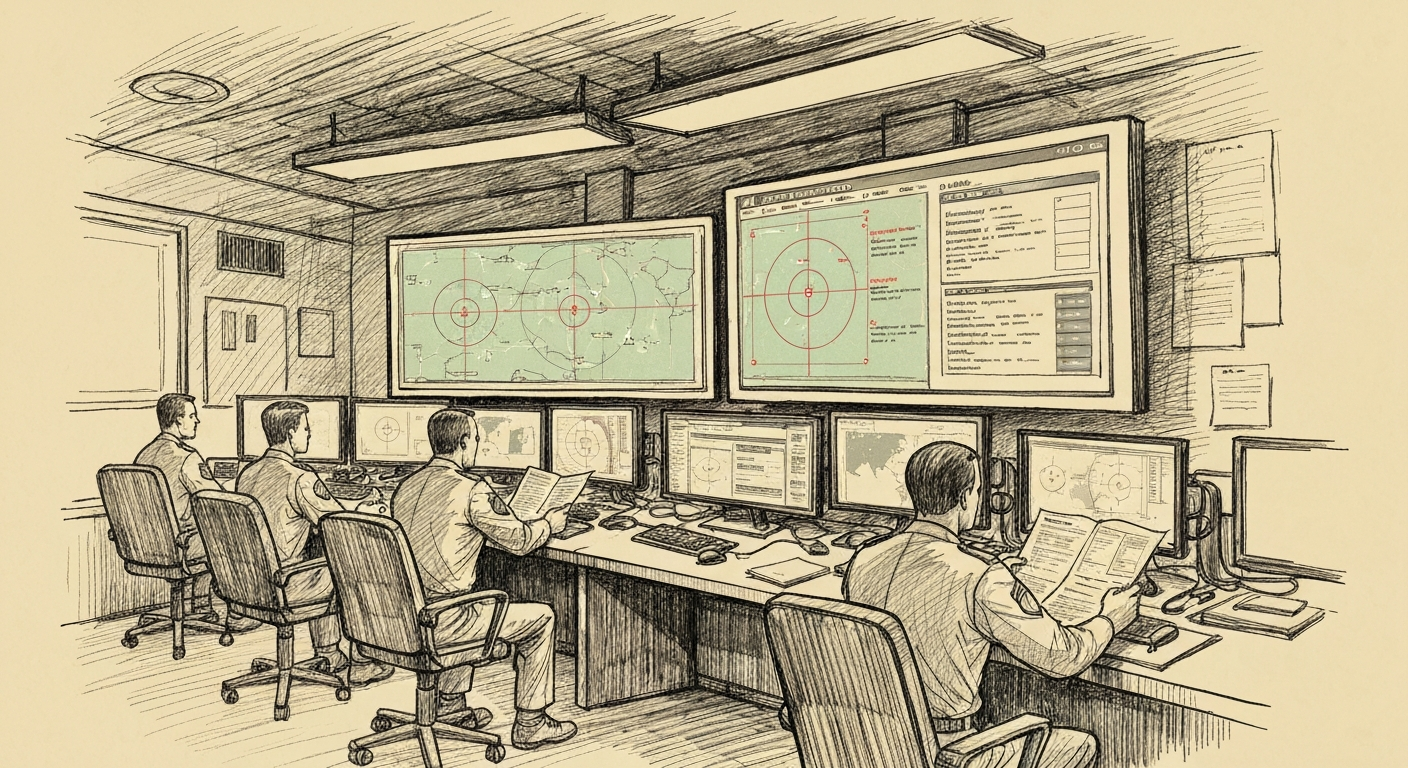
The Safety Company at War: Claude in the Largest AI-Assisted Military Strike

Anthropic designated a national security supply chain risk, CEO vows court challenge
On March 4, 2026, the U.S. Department of Defense formally labeled Anthropic a national security supply chain risk — invoking a statute previously reserved for foreign adversaries like Huawei — after the company refused to grant unlimited government access to its Claude AI systems. CEO Dario Amodei confirmed the designation and announced a federal court challenge. The dispute is narrow in its immediate commercial impact but potentially significant as a legal precedent for every U.S. AI company operating in or near the federal market.

OpenAI raises $110B and splits its cloud business between Amazon and Microsoft
OpenAI closed the largest private funding round in history on February 27, 2026 — $110 billion anchored by a $50 billion Amazon investment that hands AWS exclusive rights to distribute OpenAI’s new enterprise AI platform, Frontier. The deal does not replace OpenAI’s Microsoft partnership but divides it: Azure keeps one kind of AI access while AWS gains a different and arguably more powerful kind.

OpenAI launches GPT-5.4 with two tiers and native computer-use
OpenAI released GPT-5.4 on March 5, 2026, introducing two variants that split its most capable reasoning model across subscription tiers. The headline capability is native computer-use: GPT-5.4 can now operate software on your behalf, not just answer questions about it. Existing GPT-5.2 Thinking users have three months before that model is retired.

Anthropic surpasses $19 billion ARR as Claude Code fuels record growth
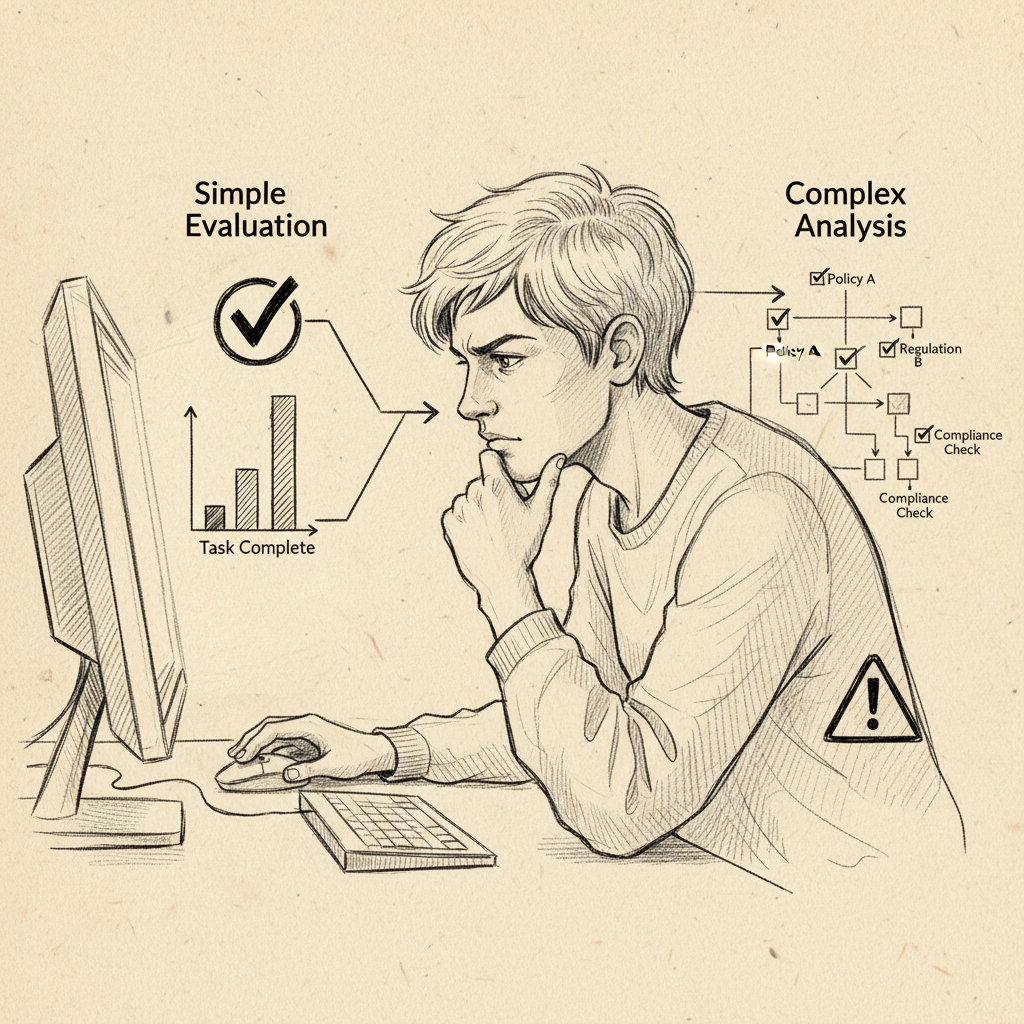
Generalism's Limits: What Specialized AI Models Still Do Better
New academic findings across education, enterprise deployment, and agent evaluation converge on a single uncomfortable conclusion: general-purpose AI systems routinely underperform purpose-built ones -- and measuring success the wrong way makes the gap invisible. Organizations betting on large language models to replace specialized tools may be optimizing for the wrong metrics.
Stay informed. The best AI coverage, delivered weekly.