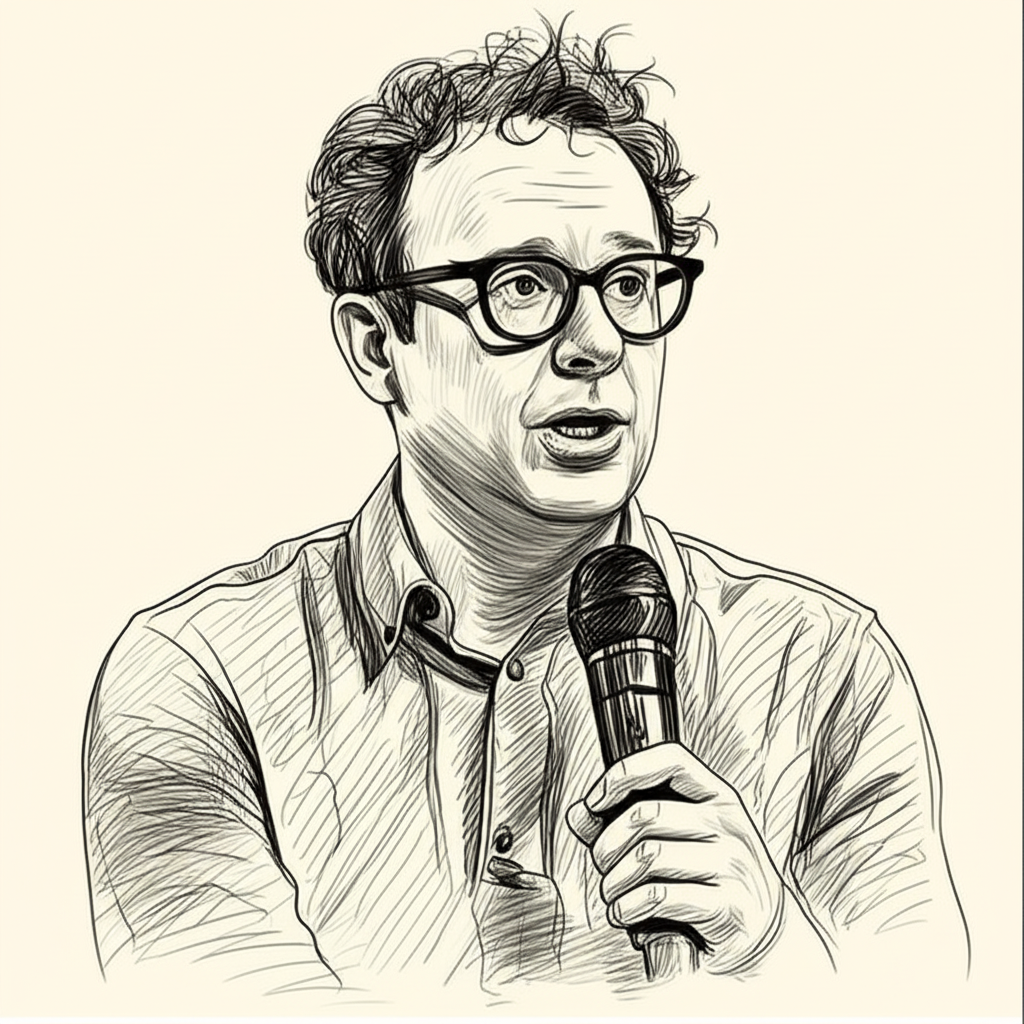
Trump orders all federal agencies to immediately stop using Anthropic's AI
President Trump escalated the Pentagon-Anthropic standoff to a government-wide ban on February 27, 2026, directing every U.S. federal agency to 'IMMEDIATELY CEASE' use of Anthropic's technology after CEO Dario Amodei refused to strip safety limits on autonomous weapons and mass domestic surveillance.
What Happened
An hour before the Pentagon's 5:01 p.m. ET deadline expired on February 27, President Trump took to Truth Social to personally escalate the standoff. "The Leftwing nut jobs at Anthropic have made a DISASTROUS MISTAKE trying to STRONG-ARM the Department of War," he posted. "I am directing EVERY Federal Agency in the United States Government to IMMEDIATELY CEASE all use of Anthropic's technology. We don't need it, we don't want it, and will not do business with them again!"
The directive — issued via social media rather than a formal executive order — goes further than anything the Pentagon alone could have imposed. Most agencies face an immediate cessation of Anthropic products; the Pentagon itself received a six-month phaseout window, a quiet acknowledgment of how deeply Claude has been integrated into classified military networks. Anthropic's Pentagon contract, valued at up to $200 million, is now being terminated. Trump also threatened "civil and criminal consequences" if Anthropic is not cooperative during the phaseout.
Amodei's response was unchanged from his position throughout three weeks of escalating pressure: "These threats do not change our position: we cannot in good conscience accede to their request."
Why It Matters
For those following our prior coverage of this standoff — Amodei's public rejection of the Pentagon ultimatum, and the weeks of escalating pressure that preceded it — the core facts have not moved. Anthropic drew two lines: no use for mass domestic surveillance of Americans, no fully autonomous weapons without human oversight. The Pentagon demanded both restrictions be removed. Amodei said no. What is new today is the scope and the author of the escalation. This is no longer a contract negotiation between a defense department and a vendor. It is a presidential directive targeting a private company by name.
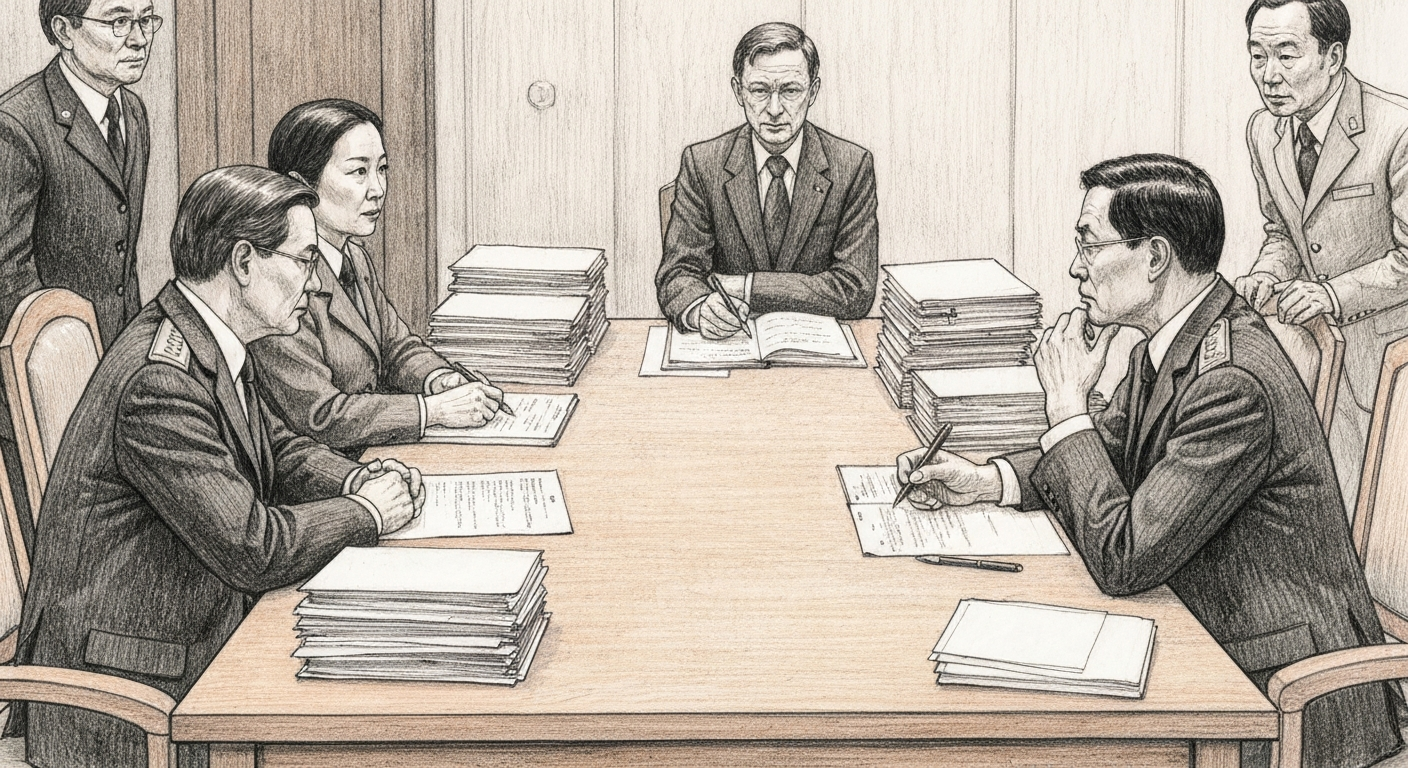
The immediate financial damage is real: a $200 million government contract gone, plus any federal agency work built around Claude. But the deeper threat embedded in this story is the "supply chain risk" designation that Defense Secretary Pete Hegseth threatened before Trump's post. Under U.S. procurement law, that designation — normally reserved for companies linked to foreign adversaries like China and Russia — would legally require every defense contractor and government-adjacent enterprise to certify they do not use Anthropic products. In plain terms: any company that wants a government contract, or hopes to pursue one in the future, would face pressure to drop Claude. That is not a government revenue problem for Anthropic. That is an existential enterprise market problem.
There is an important counterweight worth noting. Trump's directive arrived via Truth Social, not through the formal executive order process. Legal experts have raised questions about its enforceability and procedural standing. The contradiction between "IMMEDIATELY CEASE" language for most agencies and a six-month runway for the Pentagon signals that operational reality already constrains what the directive can demand. Whether agencies comply immediately, await formal procurement guidance, or test the limits of a social media post dressed as policy is unresolved.
The competitive landscape has also grown more complicated for the Pentagon. xAI — Elon Musk's AI company — signed "all lawful use" terms on February 23 and is positioned as the preferred replacement for Claude. But OpenAI CEO Sam Altman publicly affirmed the same red lines as Anthropic: "AI should not be used for mass surveillance or autonomous lethal weapons. These are our main red lines." If OpenAI holds that position under pressure, the Pentagon may find the market for a fully compliant AI vendor narrower than it assumed — and xAI, run by a prominent Trump ally, a more constrained choice than it appears.
Stay informed. The best AI coverage, delivered weekly.