Meta may license Google's AI to power its own products while its flagship model falls behind
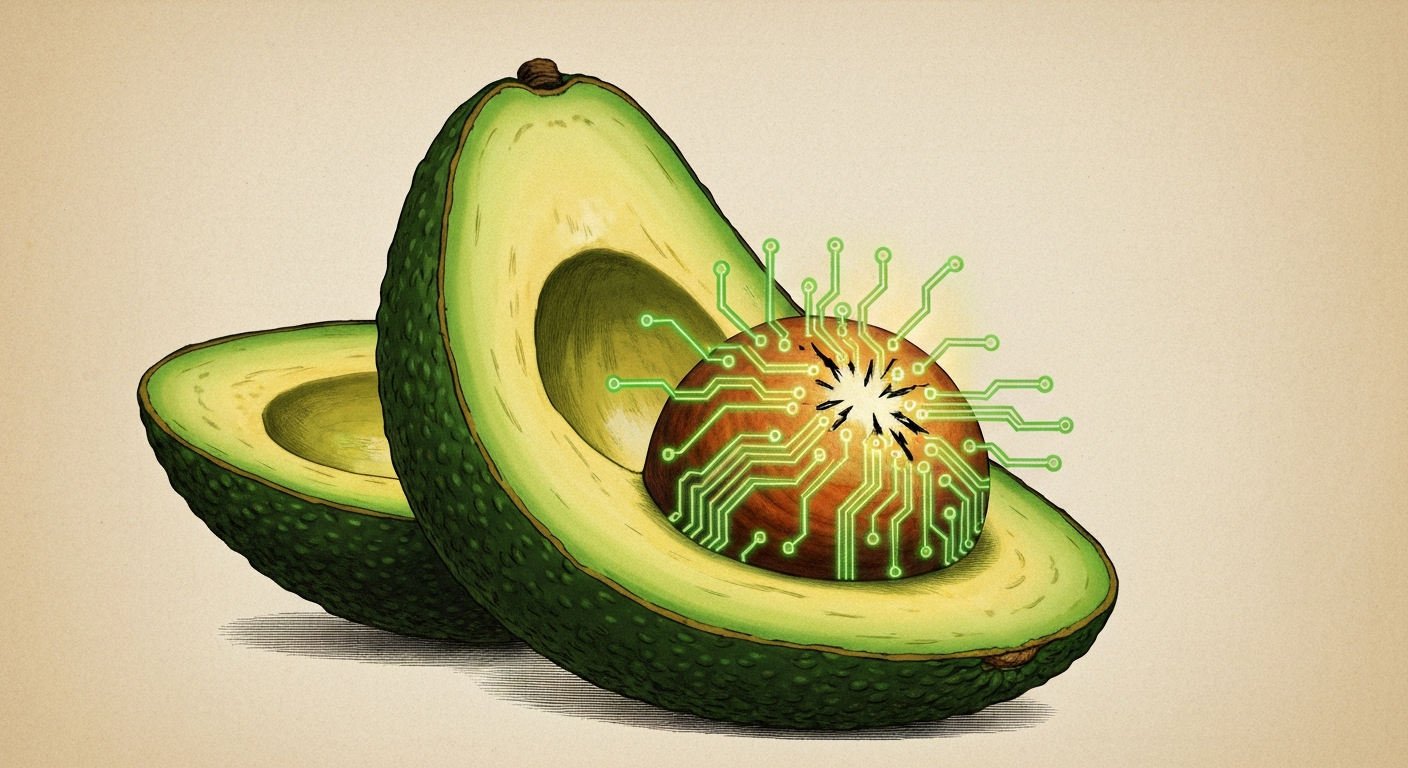
Meta has delayed its next AI model, codenamed Avocado, from mid-March to at least May 2026 after internal tests showed it underperforming rivals from Google, OpenAI, and Anthropic. The company is now discussing whether to temporarily license Google's Gemini to fill the gap — a notable pivot for a company that built its AI identity around open-source independence.
The New York Times reported March 12, citing three people with knowledge of the matter, that Avocado landed between Google Gemini 2.5 and Gemini 3.0 in internal benchmarks — beating the older model but unable to match the newer one. Capability gaps appeared in logical reasoning, programming, and writing. Meta's spokesperson denied any meaningful timing change. That denial conflicts with the Times' three-source account and has not been corroborated independently.
The Gemini licensing discussion is the more consequential detail. Meta spent years positioning its Llama models as an open alternative to the closed AI systems from Google and OpenAI. Licensing a competitor's model to run Meta's own AI products would invert that strategy. No final decision has been made, but the fact that the discussion reached Meta leadership signals how seriously the company views the competitive gap.
The delay compounds an existing credibility problem. Llama 4 launched in April 2025 and failed to generate strong developer enthusiasm. Nvidia CEO Jensen Huang subsequently omitted Llama from his list of major AI customers. Chief AI scientist Yann LeCun departed after October layoffs cut roughly 600 positions from Meta's Superintelligence Labs. Chief Product Officer Chris Cox lost oversight of the AI division following Llama 4's underperformance.
At a startup, a model delay is a product problem. At a company committing $115 to $135 billion in capital expenditure in 2026 — primarily for AI data centers and chips — the math demands results. Unlike Microsoft, Google, and Amazon, Meta has no cloud business to monetize that infrastructure directly. Every dollar spent on AI must eventually convert into advertising revenue or consumer product engagement. A delayed, underperforming model extends the gap between spend and return.
Avocado must ship and perform. If it doesn't, Meta's open-source AI positioning — already strained — becomes difficult to defend.
Sources
- T1
- T1
- T2
Stay informed. The best AI coverage, delivered weekly.