Anthropic designated a national security supply chain risk, CEO vows court challenge
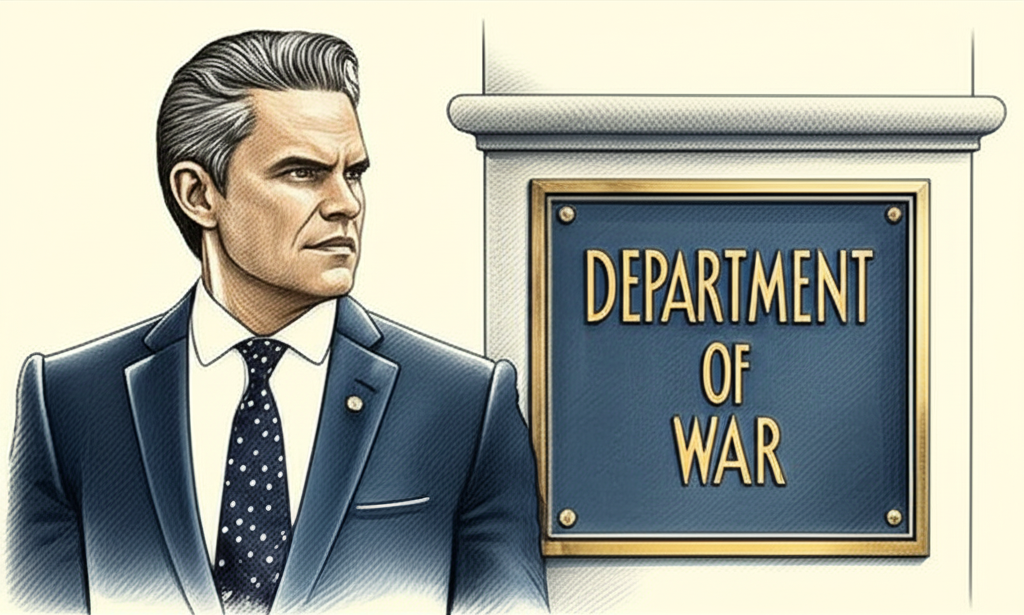
On March 4, 2026, the U.S. Department of Defense formally labeled Anthropic a national security supply chain risk — invoking a statute previously reserved for foreign adversaries like Huawei — after the company refused to grant unlimited government access to its Claude AI systems. CEO Dario Amodei confirmed the designation and announced a federal court challenge. The dispute is narrow in its immediate commercial impact but potentially significant as a legal precedent for every U.S. AI company operating in or near the federal market.
What Happened
The U.S. Department of Defense notified Anthropic on March 4, 2026, that it had designated the company "a supply chain risk to America's national security," invoking 10 USC 3252, according to Anthropic's official blog. That statute was designed to exclude companies from adversarial nations — such as China's Huawei — from federal procurement chains. This is the first time it has been applied to an American company.
The dispute has a specific origin. The DOD demanded unrestricted access to Anthropic's Claude AI for all lawful purposes. Anthropic sought written contractual assurances that its technology would not be used in fully autonomous weapons systems or domestic mass surveillance programs. The department declined those conditions. The supply chain designation followed.
CEO Dario Amodei confirmed the designation and announced a legal challenge in a post on the Anthropic blog, corroborated by CNBC: "We do not believe this action is legally sound, and we see no choice but to challenge it in court." Amodei's legal argument rests on the statute itself: 10 USC 3252 requires the Secretary of War to employ "the least restrictive means necessary" when making such a designation. Anthropic contends that standard was not satisfied.
The company has also been explicit about the practical scope of the designation. According to TechCrunch, Amodei stated that most Anthropic customers are unaffected. CNN Business reported the label applies narrowly to direct Department of War contracting relationships — not to Anthropic's commercial API, enterprise customers, or consumer products.
One additional thread: an earlier internal memo attributed to Amodei floated the possibility that the administration's action was influenced by Anthropic's absence of political donations. Amodei subsequently walked that back, characterizing the comments as not reflecting his "careful or considered views," per Anthropic's own blog.
Why It Matters
The supply chain risk designation has been a national security instrument aimed at foreign-controlled technology companies. Turning it against a domestically incorporated AI company — one that has positioned safety and ethical use as core to its product — is without precedent in U.S. technology policy, according to The Next Web.

Before this designation, the implicit understanding was that U.S. AI companies were insulated from this particular tool. What the DOD has now demonstrated is that 10 USC 3252 can be used as procurement leverage: comply with our access terms or lose eligibility for federal contracts. Researchers at Northeastern University warn this could have a chilling effect across the sector, as other AI firms may preemptively strip ethical use limits from their government offerings simply to remain in the running for federal work.
The legal challenge will serve as the first real test of 10 USC 3252's "least restrictive means" clause in the context of AI procurement. If Anthropic prevails, it establishes that companies can contest overbroad designations on statutory grounds, and the government's ability to use supply chain exclusion as a blunt policy tool narrows. If the designation is upheld, it signals that federal agencies can effectively dictate AI use terms through procurement exclusion — bypassing the legislative or regulatory process entirely.
The outcome matters well beyond Anthropic. SoftBank's $40 billion financing push to deepen its OpenAI stake — announced the same week — is a reminder of how central government and enterprise contracts have become to AI company valuations. A legal framework that allows the DOD to condition access on unrestricted use terms would reshape how every major AI company structures its government-facing products.
Sources
- T1
- T2
- T2
- T2
- T2
- T3
Stay informed. The best AI coverage, delivered weekly.