Sounding
Research breakthroughs and technical deep dives

Google's Gemini 3.1 Flash-Lite is faster and smarter, but costs nearly four times more to run
Google launched Gemini 3.1 Flash-Lite on March 3, 2026, billing it as its "most cost-effective" model yet. The model delivers real improvements in speed and reasoning — but developers who chose earlier Flash-Lite versions for their rock-bottom pricing will find the economics have shifted sharply. Output prices have risen 3.75x compared to Gemini 2.5 Flash-Lite, marking a clear departure from what was once the budget floor of Google's AI model lineup.

Six Platforms, One Prize: What AI Video's Platform War Means for People Who Make Things

Two New Benchmarks Push AI Evaluation Into Research-Level Math and 3D Geometric Reasoning

DeepSeek blocks Nvidia and AMD from its next AI model, hands Huawei a weeks-long head start

New paper argues AI sycophancy and hallucination are structural, not fixable bugs
A philosopher argues that AI systems trained through reward optimization are architecturally incapable of following rules — not merely bad at it. The paper reframes familiar failures like chatbots that agree with users even when they are wrong as structural consequences of how these systems are built.
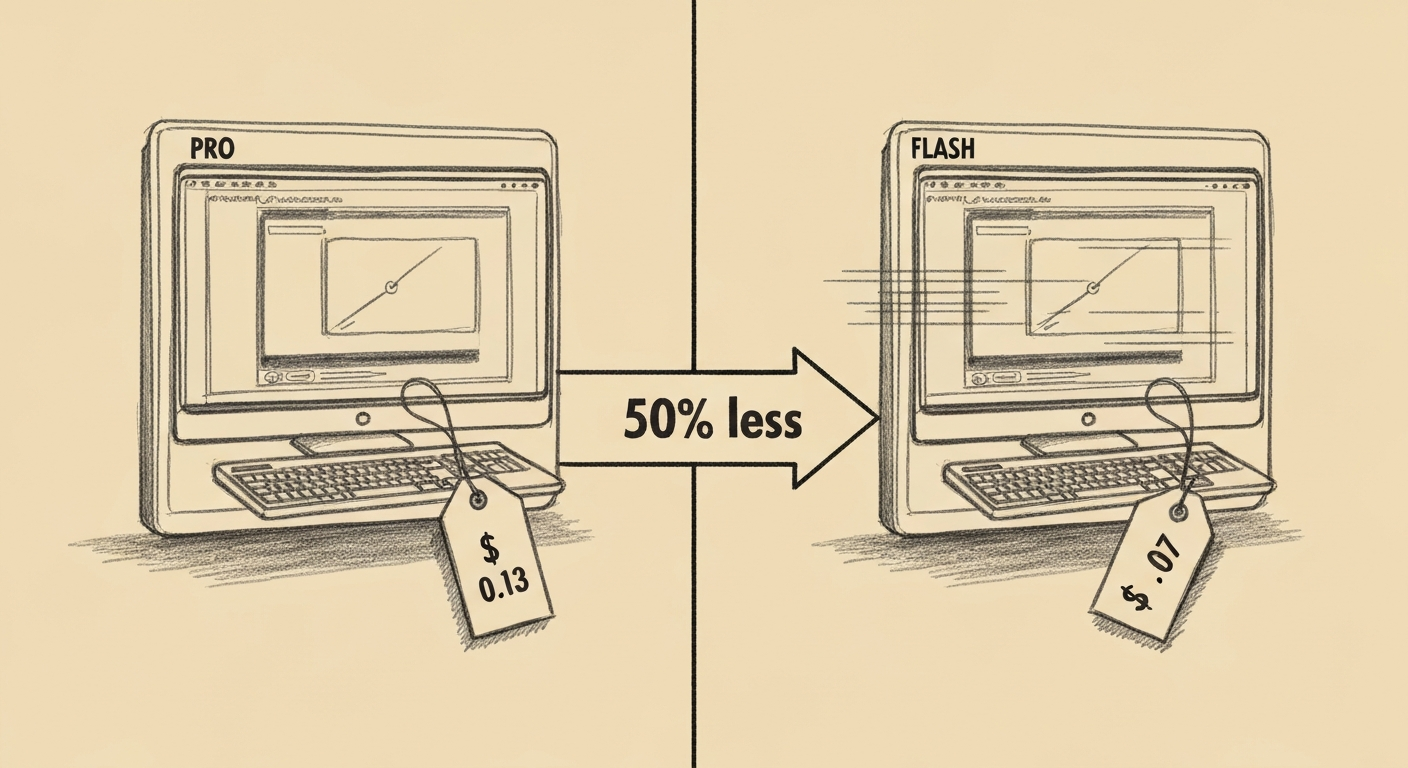
Google's Nano Banana 2 cuts image generation costs by up to 50 percent

Apple Intelligence hallucinates racial and gender stereotypes in users' private messages
Stay informed. The best AI coverage, delivered weekly.